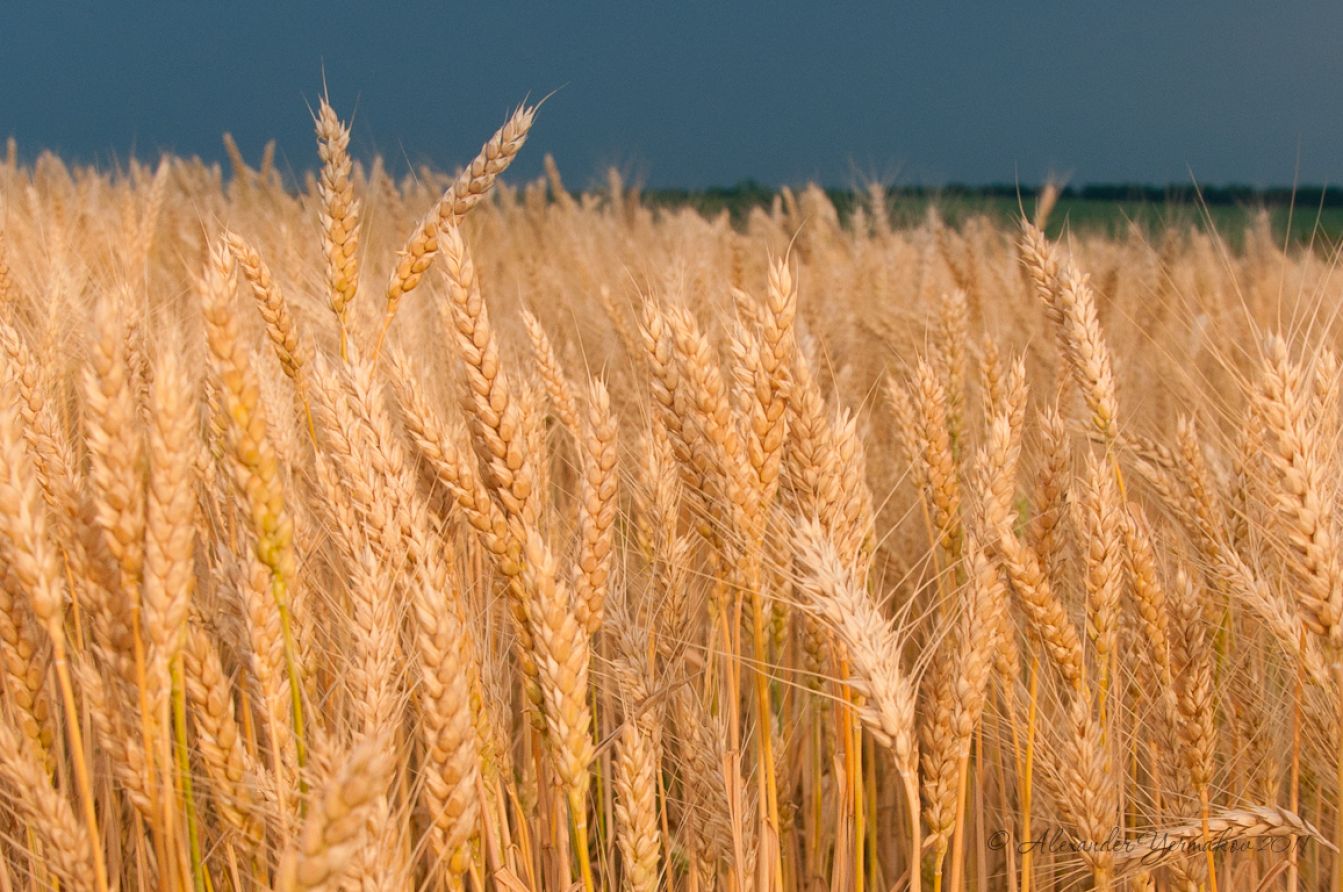
Why fertilisers are essential to grow bread-making quality wheat
Securing Europe's supply of fertilisers is securing Europe's daily bread
Not every grain of wheat can become a loaf of bread. Common wheat (Triticum aestivum) destined for bread-making must meet strict quality specifications — above all, a sufficient and well-balanced protein content to form strong, elastic gluten. Without adequate and well-timed fertilisation, European wheat fields would increasingly produce grain fit only for animal feed, forcing millers to import scarce, high-protein milling wheat from further afield, and at greater cost.
In today's geopolitical context, the security of Europe's fertiliser supply is no longer a purely agronomic or commercial matter — it is a food security imperative.
What makes wheat "bread-making quality"
Bread-making quality is defined primarily by the quantity and composition of gluten proteins — the gliadins and glutenins that give dough its strength, elasticity and gas-retention capacity, and ultimately determine loaf volume and crumb structure. Millers and bakers typically require flour with a protein content in the range of roughly 11–13.5%, alongside the right balance of dough strength and extensibility. Wheat falling short of these thresholds is downgraded to feed or biofuel use, regardless of its yield.
Nitrogen builds the protein
Nitrogen is the nutrient with the single greatest influence on grain protein content. It drives both canopy growth (and therefore yield) and the synthesis of gluten proteins in the developing grain. Because the nitrogen rate that maximises yield is typically lower than the rate needed to reach bread-making protein levels, growers must apply nitrogen above the yield optimum — and increasingly use split applications, with a late dose at booting or heading, to raise protein content and improve dough strength without sacrificing yield. Reduce or delay this nitrogen, and protein content falls below the threshold millers need.
Sulphur shapes the gluten
Nitrogen is not the whole story. Sulphur, though required in far smaller quantities, governs the balance between sulphur-rich and sulphur-poor gluten proteins. Where sulphur is deficient — increasingly common in Western Europe as atmospheric sulphur deposition has fallen sharply over recent decades — dough becomes weaker, less extensible, and produces smaller, poorer-textured loaves. Maintaining the right nitrogen-to-sulphur balance in the grain is essential to consistent baking performance.
Other nutrients matter too
Phosphorus and potassium support root development, grain filling and overall plant resilience, while balanced fertilisation more broadly underpins the consistency that millers need from one harvest to the next. In short, the quality wheat that fills Europe's mills is the product of precise, science-based crop nutrition, not chance.
A fragile supply chain in a volatile world
Europe is structurally dependent on imported fertilisers and the raw materials behind them. Nitrogen fertilisers alone account for roughly 46% of EU fertiliser use, and more than 30% of that volume is traditionally imported. Russia has historically supplied around a quarter of the EU's fertiliser imports and, until recently, close to a quarter of its urea — a critical nitrogen source.
Since 2025, escalating EU tariffs on Russian and Belarusian fertilisers — driven by the war in Ukraine and supply-security concerns — have cut nitrogen fertiliser imports from these sources by over 80%. Meanwhile, renewed Middle-East conflict has disrupted gas-based fertiliser production in 2026, pushing nitrogen prices sharply higher and straining alternative supply lines from North Africa, the Gulf and the US.
The European Commission has responded with a Fertiliser Action Plan, a temporary suspension of customs duties on key nitrogen inputs such as urea and ammonia, and adjusted carbon border rules — all aimed at lowering costs for farmers while reducing dependency on a small number of external suppliers. These are welcome steps, but they also illustrate how exposed Europe's fertiliser supply chain remains, and how quickly disruption can translate into higher input costs for farmers, tighter quality wheat supplies, and ultimately higher prices for flour and bread.
Why this matters for millers — and for Europe
European Flour Millers represents an industry that depends, harvest after harvest, on a reliable domestic supply of bread-making quality wheat. When fertiliser availability or affordability is disrupted, the consequences cascade through the entire chain:
- Lower and less consistent protein content, pushing more of the harvest below milling specifications and increasing reliance on imported high-protein wheat.
- Higher and more volatile production costs, which growers, millers and ultimately consumers must absorb.
- Greater exposure to external shocks, undermining the resilience that Europe has sought to build into its food system since 2022.
Ensuring a stable, diversified and affordable supply of fertilisers — through domestic production capacity, diversified trading partners, and coherent EU policy — is therefore not only an agricultural priority but a direct contributor to European food security. The flour milling sector, as the largest single food user of domestic wheat in Europe, has a clear stake in this debate and supports policies that safeguard farmers' access to the fertilisers needed to grow the quality wheat that feeds Europe.